Is There One Standard for Cap Torque Testing?
The official standards and requirements for cap torque testing vary by industry. Ensuring the quality and safety of bottled products is crucial across pharmaceutical, chemical, cosmetic, and food/beverage operations, but each vertical follows its own unique regulations.
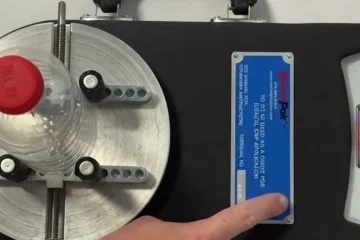
Across the board, torque testing involves applying a twisting force to a bottle cap to measure the torque required to rotate the cap or maintain the cap in a specified position. This process is crucial for determining:
- Product Safety: Bottled products that can’t seal properly are prone to spoiling or losing their potency, risking consumer dissatisfaction or safety. Likewise, products that don’t open safely could pose a danger to consumers struggling to open your products.
- Functionality: Aside from product safety, one of the most important functions of torque testing is making sure your bottle caps function properly.
- Reliability: Precision torque testing from product to product ensures that your bottled products open and close consistently across your product line.

Industry-Specific Torque Testing Requirements
The bottling industry is diverse, and there’s no one standard for cap torque testing that applies to all industries. While there are many organizations with set standards and regulations for torque testing, the FDA, ASTM, and ISO are three of the most prominent ones.
FDA Torque Testing Regulations
Quality control requirements for pharmaceuticals and food-contact materials are strictly maintained by the Food and Drug Administration (FDA), and this includes stringent testing of application and removal torque for bottle caps. FDA torque testing regulations include but are not limited to:
- 21 CFR part 820.72: Critical for ensuring that equipment used in the manufacturing process, including cap torque analyzers, is suitable for its intended purposes and produces reliable results.
- 21 CFR 211.132: Requires tamper-evident packaging for over-the-counter (OTC) drug products. Compliance involves torque testing tamper-proof seals and caps.
- 21 CFR parts 210 and 211: Covers the good manufacturing practices (GMP) for drug products, emphasizing the importance of control in the packaging process.
ISO Torque Testing Standards
The International Organization for Standardization (ISO) is an independent international organization that develops standards for a wide range of industries. The ISO provides guidelines for various products to ensure safety, quality, and efficiency. There are many ISO standards that impact the bottling industry, including ISO standards 13127, 17025, and 7500.
- ISO 13127: Provides mechanical test methods for re-closable child-resistant packaging systems, setting the global benchmark for packaging safety.
- ISO 17025: Outlines the general requirements for the competence of testing and calibration laboratories, ensuring the accuracy and reliability of testing results. This standard is crucial for laboratories that perform cap torque testing.
- ISO 7500 & 6789: These ISO standards specify general consistency guidelines for the calibration of hand torque tools and other measuring equipment.
ASTM Torque Testing Standards
The American Society for Testing and Materials (ASTM) has established several quality and safety standards relevant to cap torque testing:
- ASTM D7860-14(2022): This a crucial standard for those involved in the packaging of child-resistant and non-child-resistant containers. It specifies test methods for measuring the torque retention of continuous thread closures using automated torque testing equipment.
- ASTM D3475-20: Standardizes child-resistant packaging while ensuring that child-resistant caps are still operable by adults. For industries dealing with hazardous materials, pharmaceuticals, or household chemicals, adhering to this classification is essential for product safety and regulatory compliance.
- ASTM D3474-23: This standard focuses on the calibration and use of torque meters in packaging applications, ensuring that these devices accurately measure the torque applied to or removed from closures. This standard is fundamental for maintaining the consistency and reliability of cap torque testing, directly affecting product integrity, shelf life, and consumer safety.
All of these standards are critical for ensuring that packaging meets safety and performance requirements.
Keys to Complying With Industry Standards
Torque testing for bottle caps is a critical safety and quality control checkpoint in modern packaging operations. No matter what industry you’re operating in, cap torque standards ensure that your products will be safe, operable, and consistent.
Understanding Torque Ranges
Acceptable torque ranges vary by product type, closure material, and industry requirements. The twist cap on a soda bottle will have different standards from the child-resistant lid on a prescription drug container. Identifying and following these standards when testing helps ensure consistent packaging quality and industry compliance.
Calibrating Torque Testing Equipment
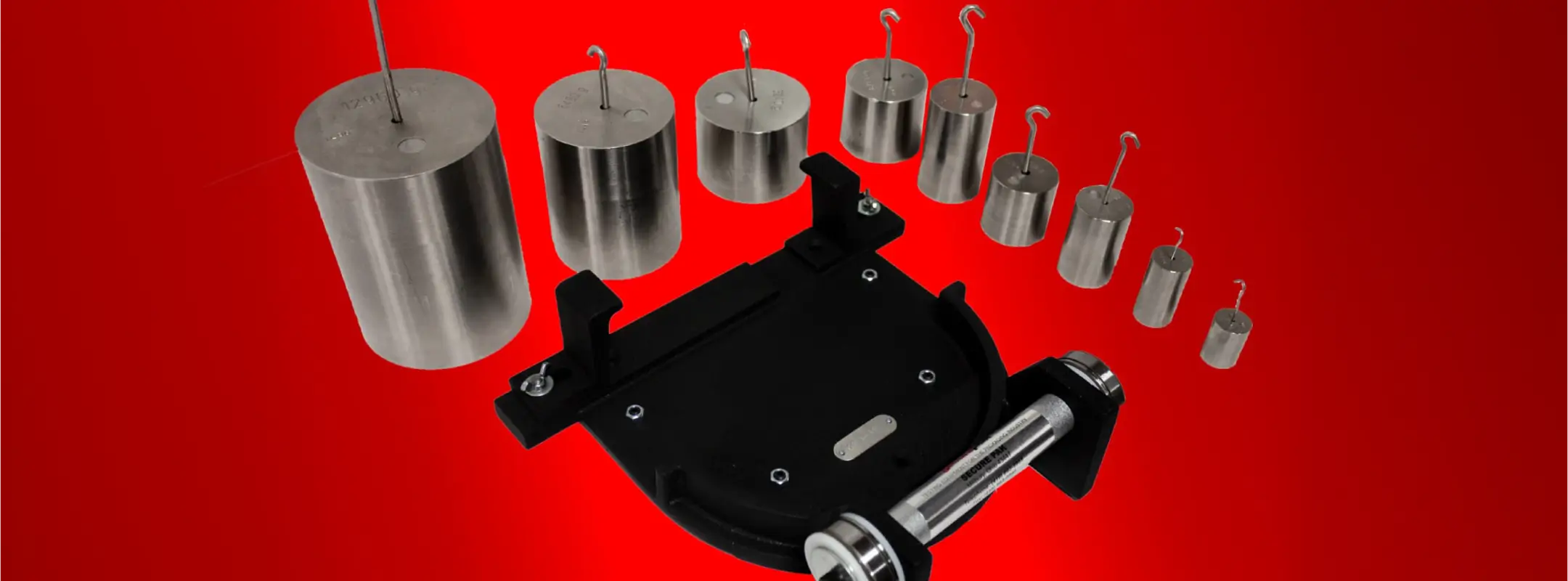
Accurate cap torque testing hinges on correct tester calibration. It’s crucial to check your torque tester against certified standards regularly to ensure consistent results. There are DIY torque tester kits on the market. SecurePak also offers Calibration and Repair Services to make equipment calibration easy.
Proper Documentation
Documenting torque tests properly and preparing for audits is essential. With documented torque ranges in place, you can prove compliance with internal standards, industry benchmarks, and even customer specifications. Keeping track of your test data is essential.
SecurePak: Your Ally in Torque Testing Compliance
SecurePak has led the charge in precision cap torque testing since 1946. We’re proud to say we’re ISO 9001-2015 certified, offering quality, reliable products that stand the test of time. Our line of torque testers includes:
- TorqTraq Torque Measurement Tool: Our hand-held torque tester works by using interchangeable chucks that are specific to the closure type and size of the container being tested. These Devices can be used in factory floor for testing and capping machine adjustments. We ask that you mail in samples of the containers attached to the caps that you’ll be testing in order to provide the appropriate chucks.
- Spring Torque Tester: SecurePak’s oldest machine first hit the market in 1946 and is completely analog. The Spring Torque Tester is also available in four separate models in order to cover the range of cap sizes that are possible.
- Digital Torque Tester: Our Spring Torque Tester goes digital, with a rechargeable battery or power supply that allows for more accurate readings. The Digital Torque Tester covers the entire range of cap sizes (0-100 in.-lbs.)
- Computer Interface Torque Tester: This tester connects with a USB-compatible computer or printer.
- Secure Seal Tester (SST): With our SST unit, you can test the seal integrity of glass or plastic containers that use aluminum roll-on seals, twist crowns, or plastic caps.
All of our cap torque testers are solidly built with cast aluminum. Teflon coating for protection in extreme corrosive conditions is available for a small upcharge.
At SecurePak, all of our bottle cap Torque Testers come with a Certification of Calibration on both new and repaired models.
Choose SecurePak for Precision Cap Testing
Partner with SecurePak for reliable cap torque testing equipment, from manual tools to digital solutions. For more than 80 years, we have been the leader in testing equipment for the bottling industry.
Our products are used by cap producers, beverage producers, pharmaceutical, cosmetic and many other companies across the world. Our units are reliable, consistent, and easy to calibrate for precise results that help you stay compliant.
How to Use a Digital Torque Tester
Frequently Asked Questions
What is the difference between application torque and removal torque?
Application torque is the twisting force applied to seal the cap onto the container. It’s crucial for achieving a proper seal and preventing leaks or spoilage. Removal torque is the force required to open the closure for the first time. This measurement ensures the cap is easy enough for the intended consumer to open, but secure enough to meet safety standards like child resistance.
Does one specific torque value apply to all products?
There is no single, universal torque value. Acceptable torque ranges are highly dependent on the product (e.g., carbonated beverage vs. pharmaceutical pill bottle), the closure size and material, and the specific packaging requirements (e.g., tamper-evident or child-resistant). Manufacturers must consult industry standards and internal quality specifications to determine the correct torque range for their specific product line.
How often should I calibrate my cap torque tester?
A general best practice is to calibrate your torque tester at least annually using traceable standards. However, if the equipment is used frequently, subjected to harsh conditions, or if test results become inconsistent, more frequent checks or calibrations are highly recommended to ensure the accuracy and reliability of your quality control data.