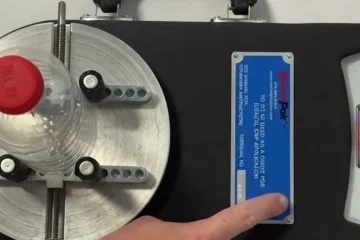
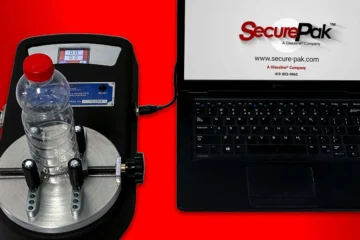
Even the most advanced bottling line is only as strong as its weakest seal. One under-torqued cap can mean a leaky shipment, a failed quality audit, or an expensive recall. That’s why leading manufacturers rely on precise torque data to control closure performance. A cap torque tester measures both application and removal torque, giving you the insight needed to balance cap tightness with consumer usability.
With accurate torque testing in place, you can minimize waste, meet industry standards with confidence, and protect your brand from avoidable packaging failures. More importantly, you gain consistency — every cap, every bottle, every run.
Let’s explore why torque testing is essential to bottle cap performance, how torque testers work on the production floor, and practical steps you can take to improve seal integrity across your packaging line.
Why Bottle Cap Performance Matters
In packaged goods, the closure is the frontline defense. A perfectly applied cap protects against leaks, guards against contamination, and preserves shelf life. But the line between too loose and too tight is razor-thin.
Under-torqued caps
- Allow oxygen or moisture to penetrate the seal.
- Cause leaks during shipping and handling.
- Lead to premature spoilage or contamination risks.
Over-torqued caps
- Crack or stress the bottle neck finish.
- Damage the liner and compromise seal integrity.
- Create negative consumer experiences when caps are difficult to open.
Whether torque skews too high or too low, the result is the same: compromised packaging quality assurance, increased waste, and potential brand damage.
Consistency is the key. Even advanced capping machinery can vary based on bottle tolerances, closure material, or environmental conditions on the line. That’s why torque testing for bottle caps is a critical checkpoint in modern packaging operations. It quantifies performance, reduces guesswork, and keeps you aligned with industry torque standards.
How a Cap Torque Tester Works
A cap torque tester measures the force required to tighten and loosen a bottle cap. By capturing these values, manufacturers gain a reliable snapshot of closure performance, ensuring that caps are tight enough to protect the product but not so tight that consumers struggle to open them.
A modern bottle cap torque tester secures the container in a fixture, then applies controlled rotational force to the cap. The device records the torque value at the exact point of movement, providing accurate data on both the sealing process and the consumer experience.
- Application Torque: The force used by capping machinery to apply the closure. Too low and the cap may leak; too high and it can damage the container or liner.
- Removal Torque: The force required by the consumer to open the cap. This ensures usability without compromising the seal.
- Incremental Torque: In some cases, testers also measure torque at degrees of rotation, giving insight into how the closure engages with the threads of the bottle.
By measuring these values consistently, operators can adjust machinery, spot potential defects, and verify that every production run stays within spec.
👉 Take a closer look at this essential tool in our article, What Is a Torque Tester?

Types of Cap Torque Testers
Not every operation needs the same level of testing sophistication. SecurePak offers several bottle cap torque testers to match production and compliance needs:
- Spring Torque Tester: Simple, reliable, and time-tested. Ideal for operators who want a straightforward manual tool for spot-checking closure performance.
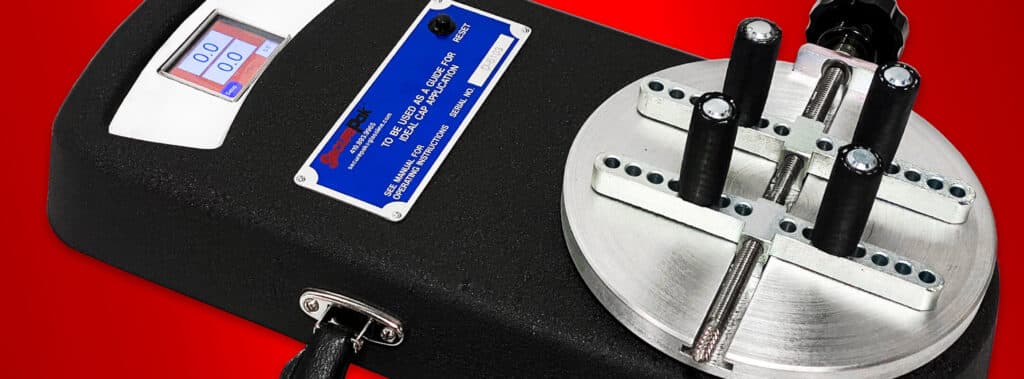
- Digital Torque Tester: Provides more precise measurements with easy-to-read displays. Popular in quality labs and production lines requiring tighter tolerances.
- Computer-Interface Torque Tester: The most advanced option, integrating directly with data systems for automated recording, trend analysis, and detailed reporting. Perfect for plants with strict documentation requirements.
Benefits of Torque Testing for Bottle Caps
A single out-of-spec closure can undo an entire production run — and that’s where torque testing proves its value. By regularly measuring cap performance, manufacturers gain control, predictability, and confidence in every unit that leaves the line.
Seal Integrity
Accurate torque testing ensures that caps are applied firmly enough to protect the product but not so tightly that they damage the bottle or frustrate the end user. That balance translates directly into fewer leaks, fewer returns, and a longer shelf life.
Quality Assurance
With documented torque ranges in place, you can prove compliance with internal standards, industry benchmarks, and even customer specifications. In today’s regulatory environment, having reliable test data is essential.
Operational Efficiency
By catching torque drift early, you prevent costly downtime, scrap, and wasted product. Over time, this reduces expenses and improves line performance, creating measurable ROI from a small checkpoint.
Consumer Experience
No one wants a cap that twists endlessly without sealing, nor do they want to fight with a closure just to pour a drink. A well-tuned torque range keeps your product secure and user-friendly, reinforcing trust in your brand.
Practical Steps for Using a Cap Torque Tester
1. Select the Right Tester
Match your operation’s needs with the correct instrument. A spring model may be sufficient for quick checks, while digital or computer-interface testers provide more precision and data capture. Ensure the tester can accommodate the full range of bottle and cap sizes you run. A handheld tester can be used to do production line spot checks and also calibrate machines.
2. Calibrate Before Use
Accuracy starts with calibration. Regularly check your torque tester against certified standards to ensure consistent results. Many plants partner with SecurePak’s Calibration and Repair Services to keep instruments performing at spec.
3. Test Across Production Runs
Pull representative samples from the line and measure both application and removal torque. Don’t just test at the start of a run; conditions can shift, so it’s important to check periodically.
4. Record and Analyze the Data
Torque values mean little unless you track them over time. Use manual logs or computer-interface reporting to keep a record of your results, spot trends and identify potential issues.
5. Adjust Equipment as Needed
If results drift outside of your defined torque range, adjust your capping machinery promptly. Catching issues at this stage prevents problems downstream.
By following these steps, you create a repeatable system for cap torque testing that maintains bottle cap performance and strengthens your overall packaging quality assurance program.
Strengthen Your Packaging With Proven Cap Torque Testing
Bottle cap performance isn’t something to leave to chance. A cap torque tester from SecurePak gives you the precision and control needed to safeguard product quality, reduce waste, and deliver a consistent consumer experience. By making torque testing a standard part of your process, you’re protecting your products along with your brand. Shop bottle cap torque testers today!
Frequently Asked Questions: Cap Torque Tester
Can a cap torque tester be used for different bottle and cap sizes?
Yes. Most torque testers have adjustable fixtures or custom chucks to handle a range of bottle and cap dimensions. This flexibility makes it easier to test multiple product lines with one instrument.
What are the signs that a bottle cap is under-torqued or over-torqued?
Under-torqued caps may leak, loosen during handling, or fail shelf-life requirements. Over-torqued caps can crack the bottle neck, damage the seal, or make the container difficult for consumers to open.
Are there industry standards for acceptable torque ranges for bottle caps?
Yes. Acceptable torque ranges vary by product type, closure material, and industry requirements. Following these standards and documenting results helps ensure consistent packaging quality assurance and regulatory compliance.